ONE ISLAND -TWO FACES
Caribbean Paradise
Hispaniola is the site of the first European settlement in the Americas, La Navidad (1492–1493), as well as the first proper town, La Isabela (1493–1500), and the first permanent settlement and current capital of the Dominican Republic, Santo Domingo (est. 1498). These settlements were founded successively in each of Christopher Columbus' first three voyages.
Situated largely on the Caribbean Plate, the region has more than 700 islands, islets, reefs and cays (see the list of Caribbean islands). Island arcs delineate the eastern and northern edges of the Caribbean Sea

Geography
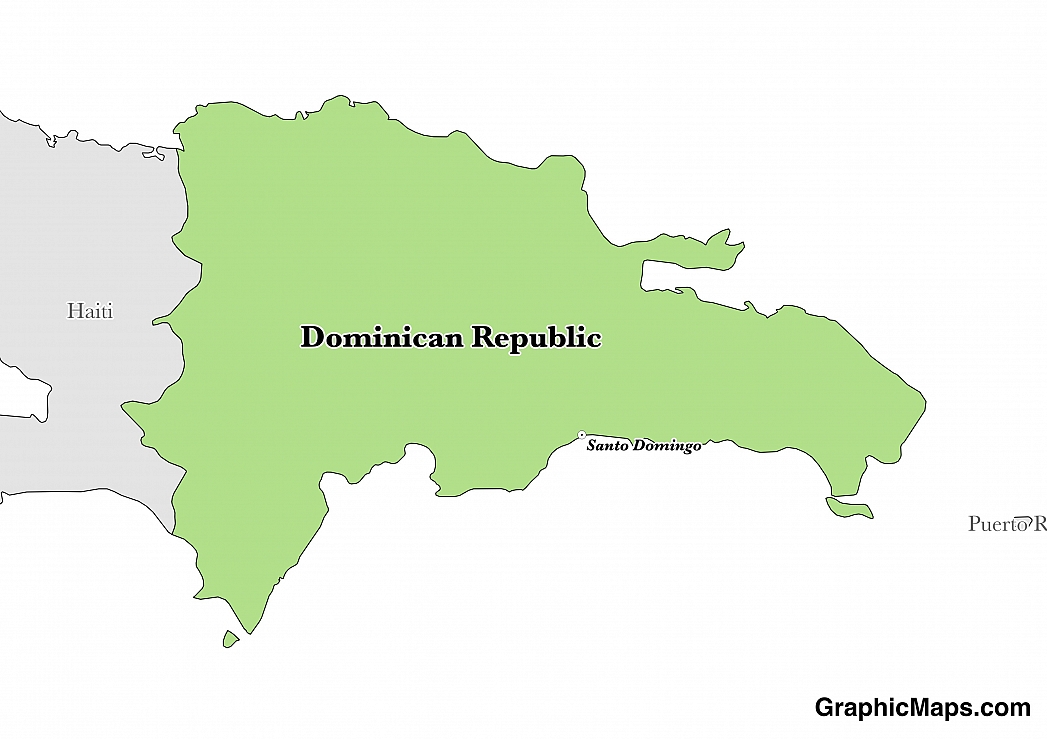
Hispaniola is the second-largest island in the Caribbean (after Cuba), with an area of 76,192 square kilometers (29,418 sq mi), 48,440 square kilometers (18,700 sq mi)[41] of which is under the sovereignty of the Dominican Republic occupying the eastern portion and 27,750 square kilometers (10,710 sq mi)[10] under the sovereignty of Haiti occupying the western portion. The island of Cuba lies 8
The Sierra de Neiba rises in the southwest of the Dominican Republic, and continues northwest into Haiti, parallel to the Cordillera Central, as the Montagnes Noires, Chaîne des Matheux and the Montagnes du Trou d'Eau. The Plateau Central lies between the Massif du Nord and the Montagnes Noires, and the Plaine de l‘Artibonite lies between the Montagnes Noires and the Chaîne des Matheux, opening we
The southern range begins in the southwestern most Dominican Republic as the Sierra de Bahoruco, and extends west into Haiti as the Massif de la Selle and the Massif de la Hotte, which form the mountainous spine of Haiti's southern peninsula. Pic de la Selle is the highest peak in the southern range, the third highest peak in the Antilles and consequently
the highest point in Haiti, at 2,680 meters (8,790 ft) above sea level. A depression runs parallel to the southern range, between the southern range and the Chaîne des Matheux-Sierra de Neiba. It is known as the Plaine du Cul-de-Sac in Haiti, and Haiti's capital Port-au-Prince lies at its western end. The depression is home to a chain of salt lakes, including Lake Azuei in Haiti and Lake Enriquillo in the Dominican Republic
The island has four distinct ecoregions. The Hispaniolan moist forests ecoregion covers approximately 50% of the island, especially the northern and eastern portions, predominantly in the lowlands but extending up to 2,100 meters (6,900 ft) elevation. The Hispaniolan dry forests ecoregion occupies approximately 20% of the island, lying in the rain shadow of the mountains in the southern and western the island. The
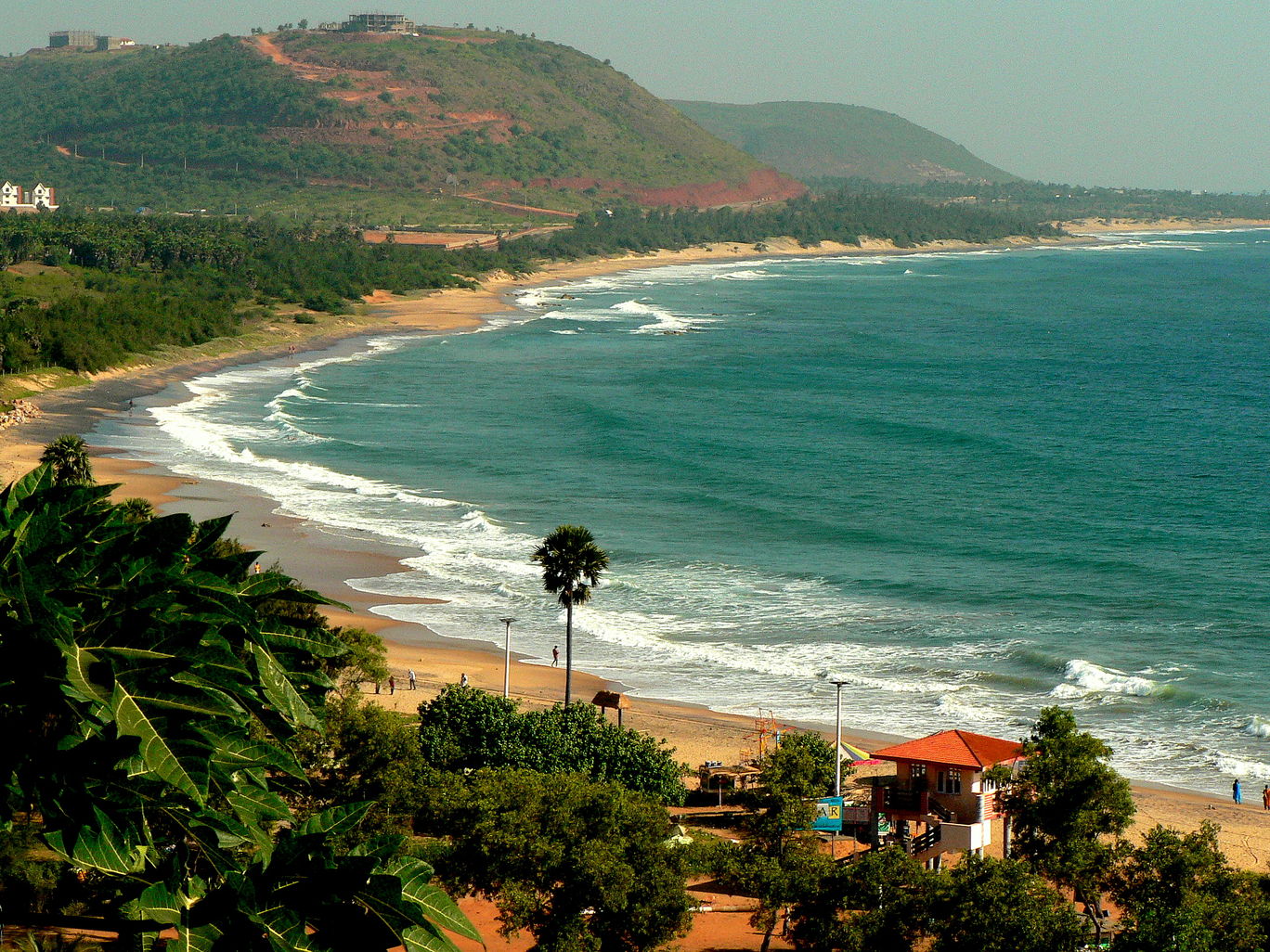
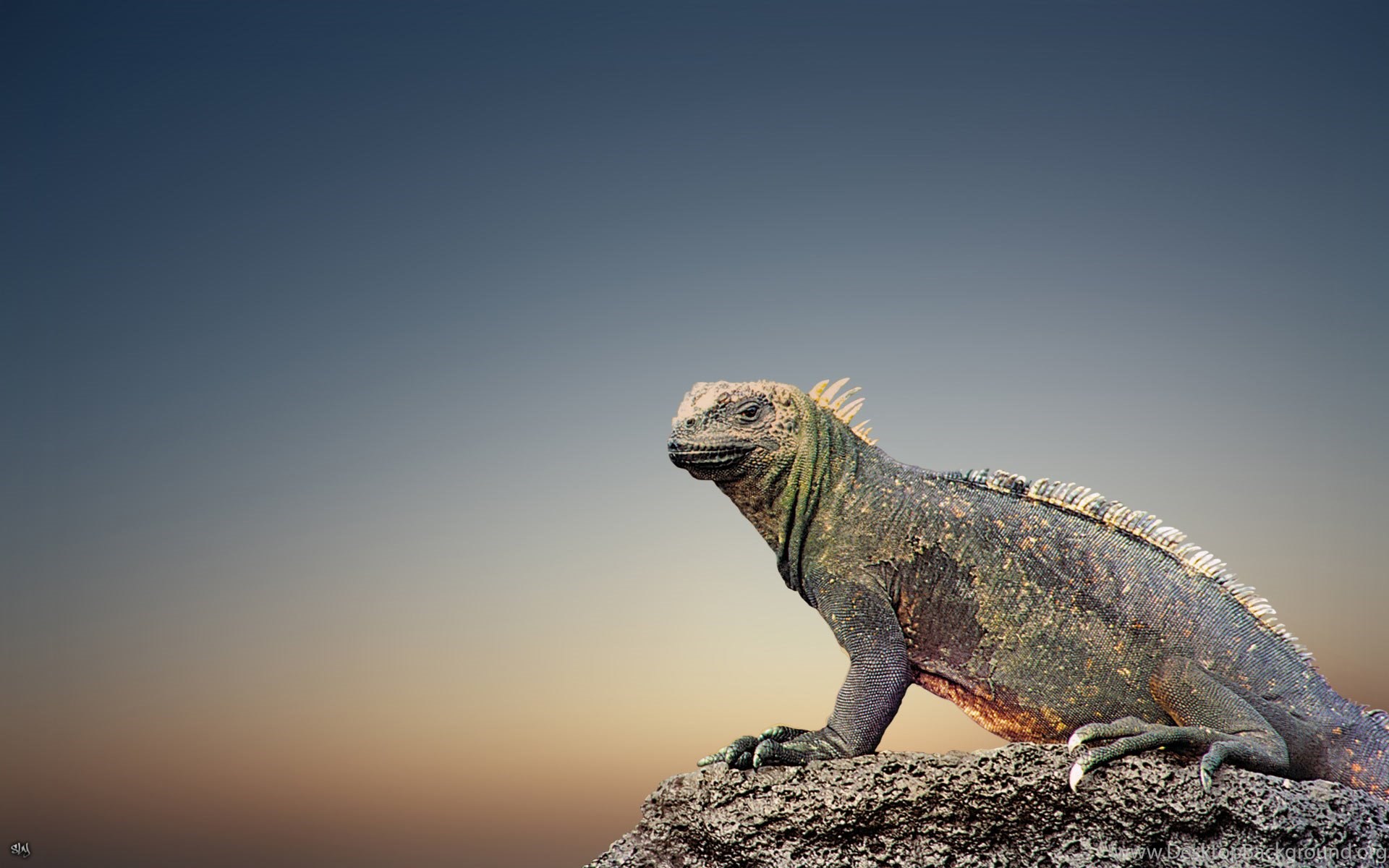
The varied climate, geography as well as plant and fauna
found in the country should not only attract you to visit,
but invite you to explore..
History
The Sierra de Neiba rises in the southwest of the Dominican Republic, and continues northwest into Haiti, parallel to the Cordillera Central, as the Montagnes Noires,
Chaîne des Matheux and the Montagnes du Trou d'Eau. The Plateau Central lies between the Massif du Nord and the Montagnes Noires, and the Plaine de l‘Artibonite lies between the Montagnes Noires and the Chaîne des Matheux, opening
The southern range begins in the southwestern most Dominican Republic as the Sierra de Bahoruco, and extends west into Haiti as the Massif de la Selle and the Massif de la Hotte,
which form the mountainous spine of Haiti's southern peninsula. Pic de la Selle is the highest peak in the southern range, the third highest peak in the Antilles and consequently
Welcome to the Deep SouthWest
Welcome to the Deep SouthWest Welcome to the Deep SouthWestWelcome to the Deep SouthWestWelcome to the Deep SouthWestWelcome to the Deep SouthWestWelcome to the Deep SouthWest
Welcome to the Deep SouthWest Welcome to the Deep SouthWestWelcome to the Deep SouthWestWelcome to the Deep SouthWestWelcome to the Deep SouthWestWelcome to the Deep SouthWest
Book Now
lorem ipsum dolor sit
Ecotour Barahona is your favourite specialist for authentic, unique and memorable round trips, day trips and activities in Southwest of Dominican Republic.

Travel environmentally friendly with us and discover the main destinations of the Dominican Republic